A gite works best as a base camp, not just a bed. But the Pyrenees-Orientales packs coast, high mountains and Spanish-border culture into a small area, and it is easy to overplan and spend the holiday in the car. This guide shows how to use your gite as a base and build realistic day trips that leave time to actually enjoy where you are.
Why base yourself in one gite
Moving between rentals eats a day each time: checkout, cleaning windows, new inventory checks, unpacking. Staying put in one well-placed gite lets you go out light each morning and return to a kitchen and familiar beds each night. For most one-week stays, a single base beats a tour.
Understand the three landscapes
The department has three broad zones, and your gite usually sits closest to one of them.
- The coast (Cote Vermeille): Collioure, Port-Vendres, Banyuls and Argeles, plus the Spanish coast beyond.
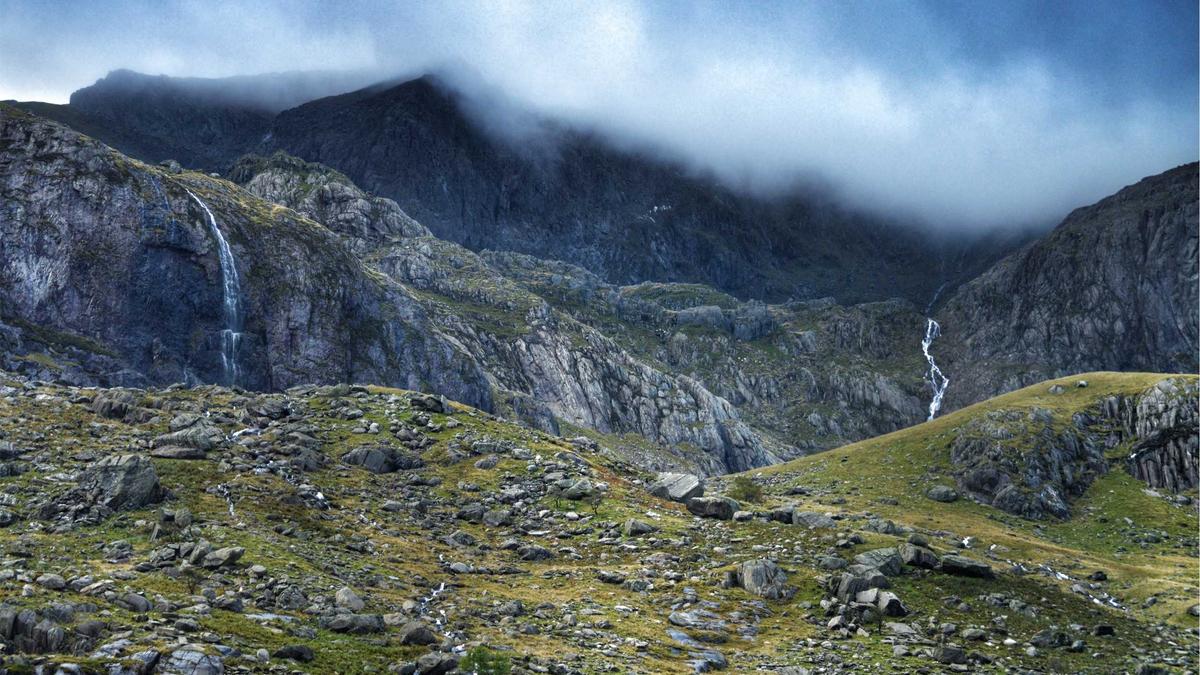
- The mountains (Conflect and Cerdagne): the Canigo massif, fortified Villefranche-de-Conflent, and the high plateau.
- The inland valleys (Vallespir): Ceret, Amelie-les-Bains and Arles-sur-Tech, with Perpignan and Prades as gateways.
Building a realistic day-trip radius
The honest limit is roughly one hour of driving each way for a comfortable day, more only if the destination is worth a long return. Because mountain roads are slow, an hour covers less ground than it would on a motorway. Plan one main destination per day, not three. Leave the second and third “maybe” stops as bonuses, not commitments.
A coast day
Collioure rewards a slow morning: the Fauvist painters Matisse and Derain worked here, and the anchovy trade still defines the town. Add Port-Vendres for a working harbour or Banyuls for its fortified wines. In summer, arrive early for parking and swim before the crowds.
A mountain day
Villefranche-de-Conflent is a walled town whose Vauban fortifications are part of a UNESCO World Heritage listing, a genuine and rare distinction. From nearby you can ride the Yellow Train up toward Mont-Louis, another Vauban site, or walk in the shadow of Canigo, the mountain Catalans on both sides of the border treat as sacred. Vernet-les-Bains adds thermal springs for a slower afternoon.
A culture and market day
Ceret has a respected modern-art museum and is famous for its early cherries. Prades hosts the classical music festival founded by the cellist Pablo Casals. Perpignan, the regional capital, gives you a cathedral, the Palace of the Kings of Majorca, and a lived-in Catalan city rather than a resort.
A cross-border day
Spain is close. Figueres holds the Dali Theatre-Museum, .
A real scenario
A couple bases themselves in the Conflent for a week. Day one they walk near Canigo; day two they take the Yellow Train; day three is a slow coast day at Collioure; day four is markets in Ceret; day five is Figueres across the border; the rest is spent at the gite reading and cooking. They never drive more than an hour, never rush, and come home rested. The same week planned as a checklist of ten towns would have felt like commuting.
Common mistakes and how to fix them
- Trying to see coast and high mountains in the same day: fix by giving each landscape its own day.
- Underestimating mountain drive times: fix by planning one main stop and checking the map, not just the distance.
- Arriving at coastal towns at midday in summer: fix by starting early for parking and cooler swimming.
- Assuming everything opens daily: fix by checking museum and market days before you set out.
- Filling every single day: fix by keeping at least one or two days at the gite itself.
Your day-trip planning checklist
- Identify which of the three landscapes your gite sits closest to.
- Cap driving at about one hour each way for a relaxed day.
- Pick one main destination per day, with optional extras nearby.
- Check opening and market days in advance.
- Book the Yellow Train and busy-season parking early.
- Reserve one or two full days for the gite and its surroundings.
Conclusion and next step
The Pyrenees-Orientales is small enough to tempt you into seeing everything and varied enough to punish you for trying. Pick your base, sketch four or five single-destination days from the ideas above, and deliberately leave gaps. Your next step is to open a map, mark your gite, and draw a one-hour circle around it: that circle is your holiday.
FAQ
How far can I realistically travel on a day trip?
Plan for about an hour of driving each way as a comfortable limit. Mountain roads are slow, so an hour covers less distance than you might expect, and one main destination per day is plenty.
Can I do the coast and the mountains in one day?
You can drive it, but you will spend the day in the car. It is far better to give the coast and the high country separate days so each one is actually enjoyable.
Is a day trip into Spain worth it from a gite here?
Yes. The border is close, and Figueres with its Dali Theatre-Museum makes a strong full-day outing. Treat it as its own day rather than combining it with local stops.
What is the most distinctive local day out?
The mountain day around Villefranche-de-Conflent, with its UNESCO-listed Vauban fortifications and the Yellow Train, is unlike anything on the coast and gives you the clearest sense of the Pyrenean interior.
References
- UNESCO World Heritage, Fortifications of Vauban (including Villefranche-de-Conflent and Mont-Louis).
- Musee d’Art Moderne de Ceret.
- Dali Theatre-Museum, Figueres.