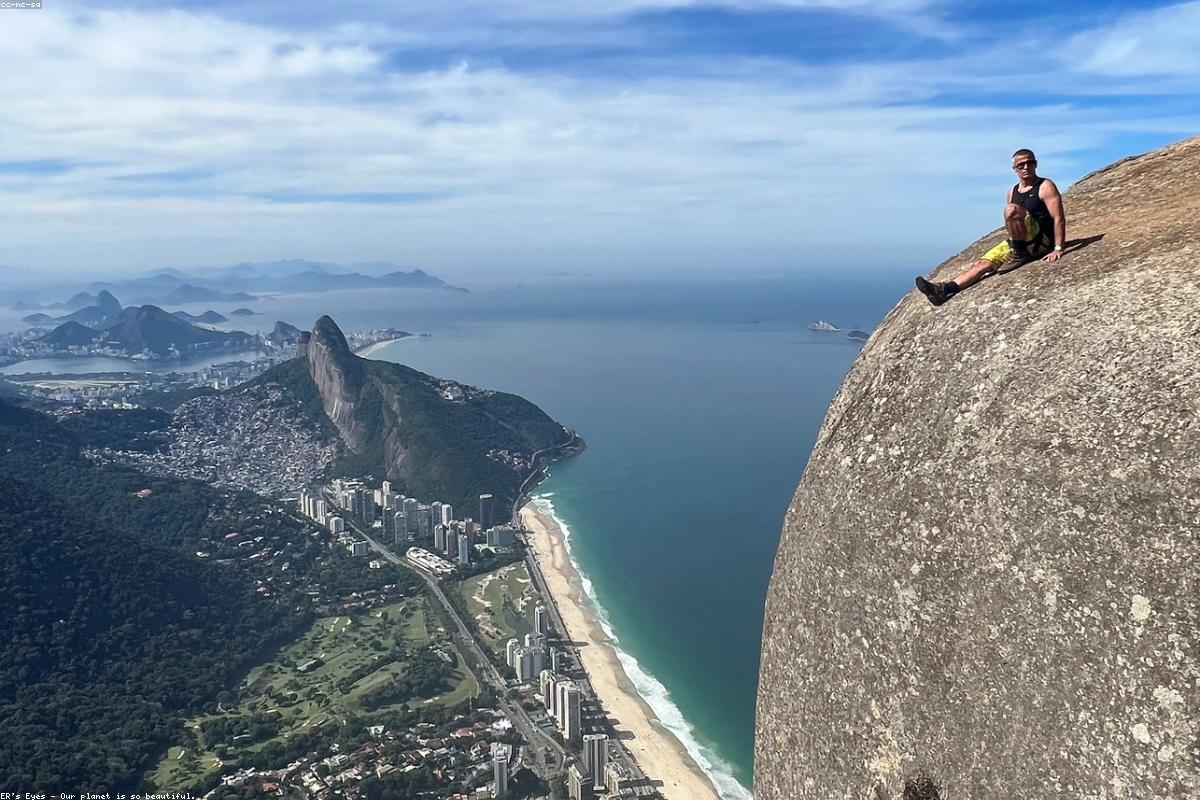
The great advantage of renting a gite in French Catalonia over staying in a single resort is that you are handed a base rather than a destination. From one well-placed rental you can reach a Mediterranean beach, a mountain summit, a medieval abbey and a vineyard tasting inside the same short drive, because the Pyrenees-Orientales compresses an extraordinary range of landscapes into a compact department. Using the gite deliberately as a hub, and planning your days around what the surrounding area actually offers, is what separates a rich week here from one spent circling the same stretch of sand.
Understand the geography around your rental
Start by understanding the geography around your particular gite, because location changes everything about what is easy. A rental near the coast puts the sandy beaches of Argeles-sur-Mer, Saint-Cyprien and Canet within minutes, along with the rockier, more dramatic Cote Vermeille where Collioure, Port-Vendres and Banyuls cling to the hillsides above the sea. A gite on the plain around Perpignan or Thuir gives you a central position from which almost everything is reachable in under an hour. A mountain rental in the Conflent, the Vallespir or the high Cerdagne trades easy beach access for immediate walking, cooler summer air and quicker reach into the Pyrenees. None is better in the abstract; the point is to plan your days honestly around the base you have chosen rather than the one you imagined.
Two coasts, two moods
The coast is the obvious draw, and it splits into two distinct characters worth alternating between. To the north of the department lie long, flat, sandy beaches backed by resorts and lagoons, ideal for families, watersports and easy swimming. To the south, the Cote Vermeille is steeper, more scenic and more atmospheric, the landscape that drew the Fauvist painters to Collioure with its bell tower rising straight out of the water. A good rhythm for a week is to mix a lazy sandy-beach day with a day exploring the harbour villages, the coastal footpath that links them, and the anchovy cellars and small galleries that give the southern coast its identity.
Turn inland for the mountains
Turn inland and the mountains open up a completely different set of days. The peak of the Canigou dominates the horizon and remains a powerful symbol for Catalans on both sides of the border, and its lower slopes offer walking for every level from gentle valley paths to serious ascents. The Little Yellow Train, an open-air narrow-gauge railway, climbs spectacularly from Villefranche-de-Conflent up to the high plateau of the Cerdagne, and is a memorable outing in its own right rather than merely transport. It is worth building at least a couple of these outings into a week:
- A walk on the flanks of the Canigou for the views and the mountain air.
- A ride on the Little Yellow Train up through the Conflent gorges toward Font-Romeu and Bourg-Madame.
- A visit to the fortified town of Villefranche-de-Conflent and the nearby Vauban defences.
- A cooler-weather day in the spa towns of Vernet-les-Bains or Amelie-les-Bains when the coast is too hot or too windy.
History and heritage for the in-between days
History and heritage give structure to the days when you want something other than beach or trail. The Romanesque abbey of Saint-Michel-de-Cuxa near Prades, the great fortress of Salses guarding the northern approach, the cloister at Elne and the prehistoric site at Tautavel, where some of the oldest human remains in Europe were found, each anchor an afternoon and add depth to a holiday that could otherwise be all sun and scenery. Perpignan itself repays a day, with its Palace of the Kings of Majorca, its red-brick Castillet and a compact old town that makes the region’s distinct Catalan identity immediately legible in its street signs, its flags and its food.
Make wine and food a theme in themselves
Wine and gastronomy can be a theme in their own right, and a gite is the ideal base for it because you can taste at leisure and drive home to your own kitchen. The vineyards of the Agly valley around Maury, the terraced slopes above Banyuls and the estates of the Aspres each welcome visitors, and buying directly from the producer is both cheaper and more interesting than any shop. Pair a morning tasting with a market visit and a long lunch on your own terrace, and you have a full, unhurried day that no packaged excursion could match.
Turn potential into good days
To turn all of this potential into good days rather than wasted ones, a few planning habits help enormously:
- Note the weekly market days of the towns near your gite and build outings around them, since a market morning combines shopping, sightseeing and lunch in one.
- Watch the tramontane wind and keep a sheltered inland or heritage option ready for the days when the coast is unpleasant.
- Group your outings by direction, doing coast one day and mountains another, rather than criss-crossing the department and losing time on the road.
- Keep at least one slow day with no plan at all, because the point of a gite is that you do not have to leave it.
- Check opening seasons in advance, as some attractions, trains and estates run reduced hours outside the summer months.
A cross-border reach
The border with Spanish Catalonia is close enough that a day trip to Figueres and its famous Dali museum, or to the markets and coast just over the frontier, is entirely feasible and underlines how the region straddles a cultural line rather than a hard divide. That reach, from empty beaches to a two-thousand-metre peak to another country, all from one rented house, is the real luxury of a Catalan gite. Plan around it thoughtfully, respect the weather and the distances, and a single quiet rental becomes the key to one of the most varied corners of the Mediterranean. The house is only ever half of the holiday; the country it opens onto is the other half, and a base used well gives you far more of it than any hotel room ever could.